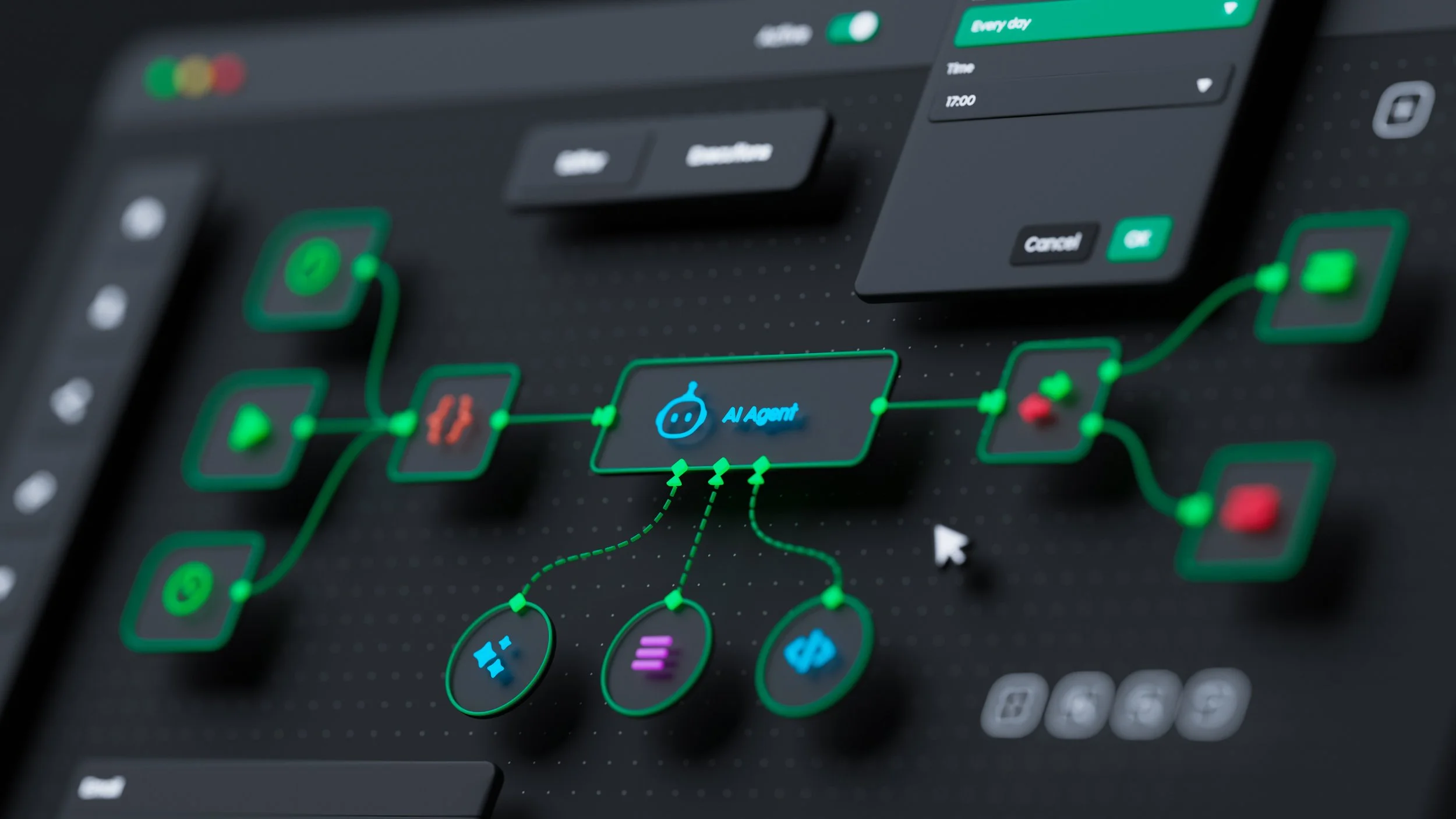
Lingk is redefining system integration with an AI-powered delivery model that dramatically cuts timelines while improving accuracy and reducing IT strain. By combining AI Agents with expert Forward Deployed Engineers, organizations can modernize integrations, eliminate backlogs, and build a stronger data foundation faster than ever.
The signals from ASU+GSV are that AI is finding its honest home in the back office, the skills-to-outcomes conversation is stalling on data infrastructure, and implementation is where strategy becomes outcomes. Here's what higher ed CIOs should take back with them.
Implementing Ellucian Colleague is only the beginning—many institutions quickly discover their integrations weren’t built to scale. This blog explains why traditional approaches like flat files and Data Connect fail post go-live and how a modern iPaaS strategy can create a more reliable, future-ready integration ecosystem.
SIS and ERP implementations expose every fault line in an institution—from governance and data to trust and leadership. When managed intentionally, these high-stakes projects can strengthen not just systems, but the people and operating models that run them.
Many higher education institutions are eager to deploy AI but are discovering a hard truth: AI can’t deliver value without unified, governed data. The campuses making real progress are fixing their data foundations first—turning AI from pilots into trusted, durable capabilities.
Higher education analytics don’t scale without the right data foundation. This blueprint explains how institutions build trusted, scalable analytics data pipelines—from SIS to warehouse—that support BI, advanced analytics, and AI-ready data strategies.
Implementing a Student Information System is one of the most complex initiatives in higher education. This article outlines proven best practices for planning, executing, and stabilizing an SIS implementation.
When schools move to Ellucian Banner or Colleague SaaS, integrations are often handled through Ellucian’s professional services using Data Connect. Over time, institutions often find themselves limited by what Data Connect was built to do. We explore why these integrations fall short and what institutions can do to modernize and future-proof their integration strategy.
Latest blogs, press releases and industry articles