
How to Modernize Ellucian Colleague SIS
Ellucian Colleague remains one of the most widely adopted student information systems in higher ed. Many institutions are seeking to modernize Colleague and the business processes surrounding it to maximize their investment and better support students and staff.
Here’s some of the top modernization priorities CIOs are facing today:
Reduce brittle custom integrations
Reduce reliance on manual workarounds and processes outside of Colleague
Standardize data definitions and improve cross-system data consistency
Prepare for analytics and AI (consolidate fragmented reporting pipelines into a governed analytics environment)
Whether you are planning an Ellucian Colleague implementation, migrating from UniData to SQL, or optimizing an existing environment, modernization requires more than technical updates—it requires architectural strategy.
This guide outlines a practical framework for Ellucian Colleague optimization, integration, and long-term sustainability.
Why Ellucian Colleague Modernization Is a Strategic Priority
Most institutions running Colleague today face one or more of the following realities:
Heavy historical customizations
Flat file or batch-based integrations
Manual workarounds across departments
Reporting complexity and data silos
Difficulty applying updates or adopting new capabilities
Over time, these issues compound. The ERP becomes harder to maintain, harder to integrate, and increasingly disconnected from modern analytics environments.
Modernizing Ellucian Colleague is not just about infrastructure—it is about reducing institutional risk while enabling agility.
Core Objectives of Ellucian Colleague Optimization
1. Modernize the Data Architecture (UniData to SQL Migration)
For institutions still operating on UniData, migrating to SQL is often foundational to modernization.
An Ellucian Colleague SQL migration enables:
Improved reporting and analytics capabilities
Broader talent pool support (SQL skillsets are widely available)
Better integration with modern data warehouses and cloud platforms
Reduced technical debt
Stronger alignment with institutional data standards
SQL environments make it significantly easier to integrate Colleague with CRM systems, learning platforms, financial systems, and modern analytics tools.
However, migration should not be treated as a simple lift-and-shift. It is an opportunity to rationalize architecture, clean data, and reset governance.
2. Reduce Customizations and Technical Debt
Many Colleague environments contain years—sometimes decades—of custom code.
While customization historically allowed institutions to align ERP functionality with institutional processes, over-customization introduces risk:
Slower upgrades
Integration conflicts
Increased maintenance burden
Higher vendor dependency
Fragile workflows
Ellucian Colleague optimization should include a structured de-customization strategy:
Evaluate each customization for business necessity
Replace with baseline functionality where possible
Re-engineer processes instead of recreating legacy behaviors
Archive obsolete logic
The goal is not minimal customization—it is intentional customization aligned with long-term maintainability.
3. Modernize Ellucian Colleague Integrations
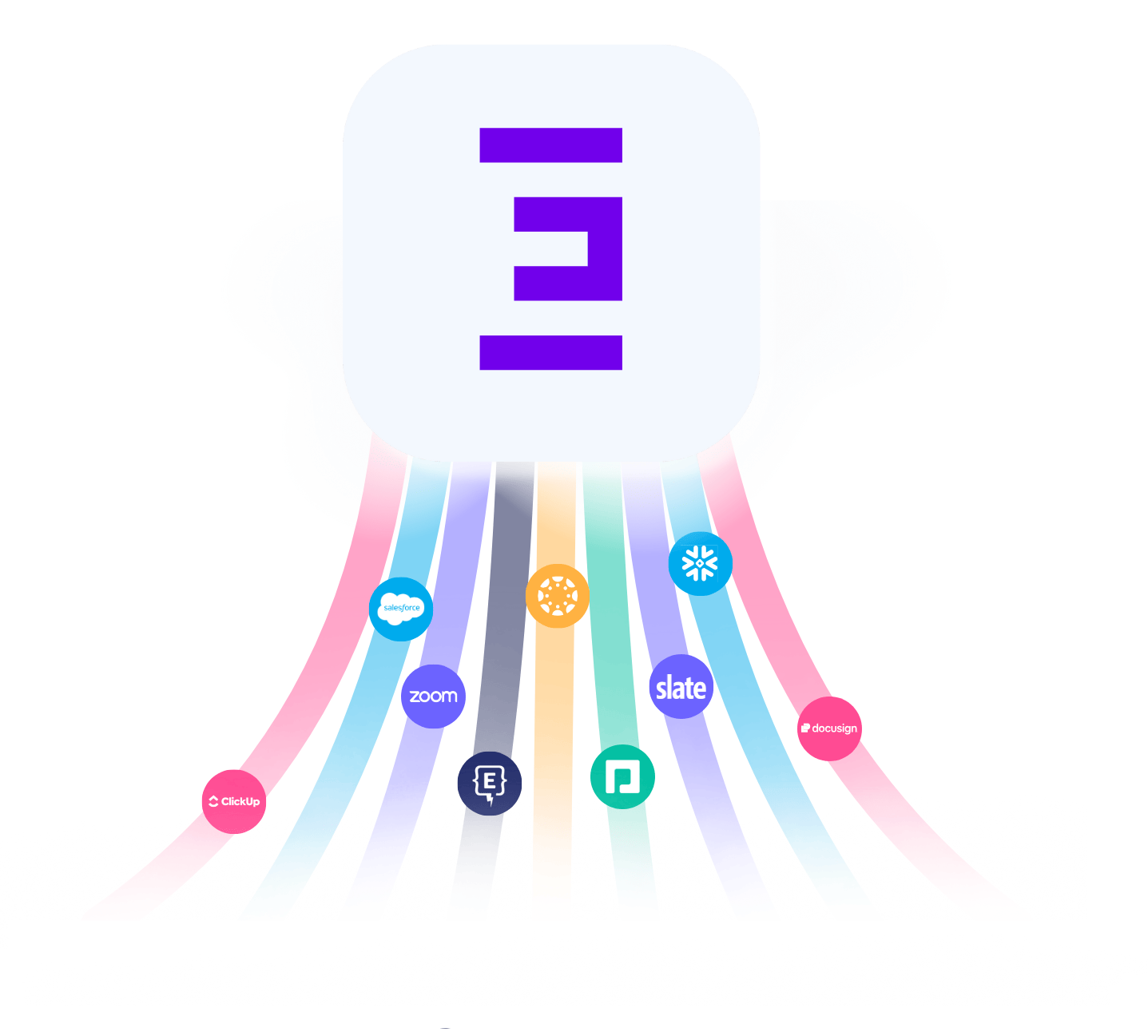
Integration is often the most overlooked aspect of ERP modernization.
Many institutions still rely on:
Scheduled flat files
SFTP transfers
Custom scripts
Point-to-point integrations
These approaches introduce latency, errors, and operational fragility.
Modern Ellucian Colleague integration strategy should include:
API-first architecture where available
iPaaS or integration middleware for orchestration
Real-time or near-real-time data synchronization
Structured error monitoring and alerting
Data validation and transformation controls
This is especially critical when integrating Colleague with:
Salesforce Education Cloud
Slate, Element451, or other CRMs
LMS platforms
Data warehouses (Snowflake, Azure, AWS)
HR and financial systems
Identity and access management platforms
Sustainable ERP environments require sustainable integration architecture.
4. Establish Governance and Process Alignment
Technology modernization without governance leads to rework.
Before deep technical work begins, institutions should clarify:
Project scope and sequencing
Ownership and decision authority
Change management strategy
Success metrics
Long-term support model
A structured modernization roadmap reduces risk during implementation and creates executive alignment across finance, academic affairs, IT, and enrollment.
A Practical Roadmap for Ellucian Colleague Implementation and Modernization
Every institution is different, but successful projects typically follow five phases.
Phase 0: Strategic Assessment & Roadmapping
Before infrastructure changes begin, conduct a comprehensive review of:
Current integrations and dependencies
Customizations and extensions
Operational bottlenecks
Reporting architecture
Data governance maturity
Budgeting and resource planning
Facilitate executive alignment
This phase establishes sequencing. For example, an institution may prioritize SQL migration first, integration redesign second, and reporting transformation third. Modernization should be sequenced—not reactive.
Phase 1: Foundation (Architecture & Environment Preparation)
This stage includes:
Designing the SQL target architecture
Identifying de-customization targets
Preparing data governance standards
Aligning integration strategy with future-state architecture
Defining data migration and cleanup plans
This is also the ideal moment to align ERP modernization with broader digital transformation initiatives such as CRM implementation or analytics modernization.
Phase 2: Technical Modernization
This includes:
Infrastructure updates and SQL migration
Code rationalization and de-customization
Data cleanup and transformation
Integration re-architecture
Reporting redesign
This is not simply a technical exercise—it is an operational reset.
Phase 3: Testing & Validation
Modern ERP modernization requires:
Unit testing
Integration testing
Parallel run validation
Data reconciliation
Stakeholder signoff
Institutions should validate not only system functionality, but reporting accuracy and integration stability.
Phase 4: Go-Live and Continuous Optimization
Go-live is not the end state.
A modernized Ellucian Colleague environment should include:
Ongoing integration monitoring
Upgrade-readiness planning
Data quality oversight
Governance reviews
Continuous process improvement
Sustainability—not deployment—is the true success metric.
The Hidden Risk: Ignoring Integration During Colleague Modernization
Many ERP projects focus exclusively on the core system.
However, in today’s ecosystem-driven higher education environment, Colleague is part of a broader architecture that includes:
CRM platforms
Data warehouses
Marketing automation
Financial systems
Learning platforms
Third-party applications
If integration strategy is not addressed during modernization, institutions often find themselves with:
Broken downstream systems
Reporting discrepancies
Increased shadow IT
Delayed implementation timelines
Modernization without integration strategy simply shifts technical debt elsewhere.
How Lingk Approaches Ellucian Colleague Modernization
Lingk partners with institutions not as a system-specific consultant, but as a vendor-neutral modernization partner.
Our approach centers on:
Strategic Modernization & Roadmapping
We work with CIOs and institutional leaders to define architecture, governance, sequencing, and long-term sustainability before implementation begins.
Vendor-Agnostic Integration Services
We modernize Colleague integrations using either the institution’s existing integration stack or Lingk’s platform—ensuring flexibility and no vendor lock-in.
Enterprise iPaaS
For integrations, data pipelines and data management, our team can work within your existing integration platform, or—if desired—provide Lingk’s iPaaS (Rhythm) as part of the engagement. Lingk’s iPaaS can be used on top of the Ellucian Ethos API layer for more robust integrations and data coherence across all campus systems.
SQL Migration & Data Modernization
We support institutions migrating from UniData to SQL while aligning ERP data with modern analytics environments.
De-Customization & Process Rationalization
We help institutions reduce technical debt while preserving essential institutional differentiation.
Implementation Support
Whether supporting a full Ellucian Colleague implementation or post-go-live optimization, our team provides technical and architectural leadership across discovery, design, development, QA, UAT, and go-live.
Modernize Your Ellucian Colleague SIS with Lingk
If your institution is evaluating Ellucian Colleague implementation, SQL migration, integration modernization, or ERP optimization strategy, start a conversation with our team and explore how Lingk can help.